Human Resource Management: A Peak Need of Healthcare Industry
Komal Singh
17 February, 2026 | 3 min readExperience of Outreach During the COVID-19 Pandemic
Dr. Pintu Kumar Gami
17 February, 2026 | 4 min read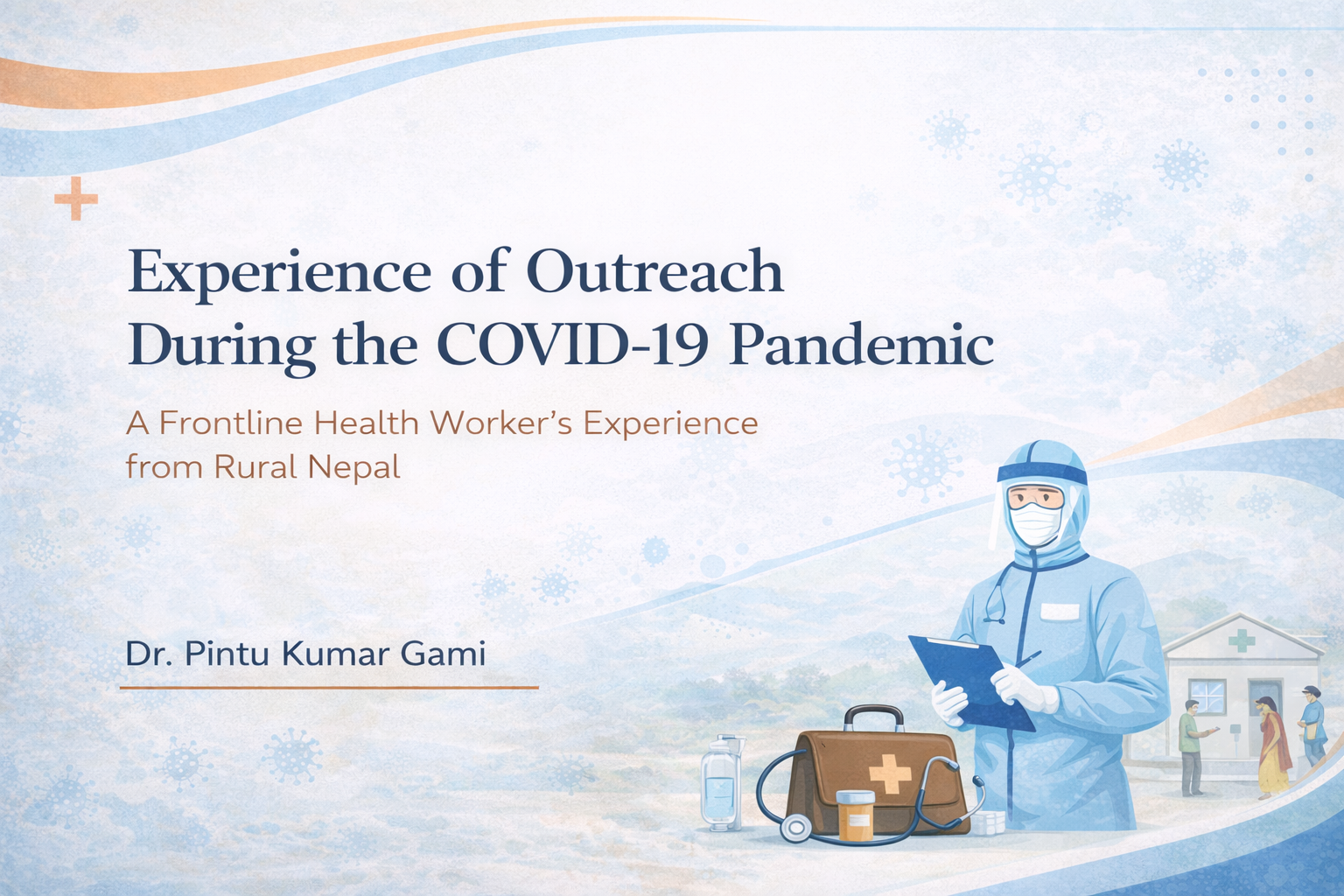
0 Likes
362 views
Life for most of us was going at its usual pace and regular schedule, when the news came from China in December 2019 about the new strain of corona virus. The first case was reported in Wuhan province of China. Initially we were not very serious about the news as we were occupied with false beliefs that Nepalese people were immune to the corona virus. People were also not serious about precautions and preventive measures like wearing masks and maintaining social distancing. The corona virus then rapidly infected millions of people and thousands lost their lives. At that time, we had not taken the virus seriously, but gradually it spread and transmission continued. China was also unable to control the spread and effectively treat the infected individuals.
The first case was detected in Nepal on 23rd January 2020 AD, which created fear among Nepal and the Nepalese people. Although the virus entered our country a couple of months after its first detection in China, there was no proper preparation in Nepal. We lacked machines, manpower and other protective equipment for such cases including protection for health workers. Our neighboring country, India, was also facing similar problems and was struggling to combat the pandemic. In the early phase, the Nepal government planned a full lockdown, and the country remained under lockdown for around six months.
However, no any remarkable progress in terms of preparation or solution was made, which further worsened the situation. Transmission continued and began creating challenges for the country and health professionals. We, the health workers, were not ready and prepared at any level to deal with this new strain of virus. In the early phase, we faced many problems because we did not have a detailed understanding of its nature and transmission patterns, which made treatment and control challenging. We also lacked protective equipment such as PPE, face shields and other essential supplies.
It was like we were in a war zone, unarmed, fighting an invisible enemy.
In the early phase government closed OPD services and only emergency services were operational. During that time, many people from urban areas moved to villages due to lockdown and financial crisis which created major challenges for health workers in the rural areas. Local people demanded regular health services, such as routine checkups, including blood pressure and temperature monitoring. They often argued with us for not providing regular OPD services. They were not willing to understand the situation, which led to many discussions with local people as well as local government representatives. Finally we had a meeting with local government and Dhulikhel hospital to find a solution. After these discussions, protective equipment became available and we started providing services to people accordingly. However, neither the local people nor the government were very cooperative, which made our work and personal lives difficult. We received many threats from local people during the pandemic.
Thus, working as a health professional during the COVID-19 pandemic, particularly in rural outreach settings, was extremely challenging. It was very difficult to balance personal and professional life. As a medical professional, I faced many difficulties, accusations and several incidents of misbehavior from local people. Over time, people’s thinking gradually changed, and the situation became stable.
I personally learned several skills related to coronavirus protection and infection control from the WHO website, as well as through helpful online discussions with Dhulikhel Hospital regarding management and protocols. It was a very important and difficult responsibility to act and work responsibly for the safety of myself, my team, and the patients while providing health services. We, the staff of the outreach center, also counseled and educated patients and their attendants about precautionary and preventive measures against coronavirus and COVID-19. Even though there were some bad and difficult experiences while working during the pandemic, I am very satisfied and happy to have contributed as a frontline health worker for the people.
About the Author
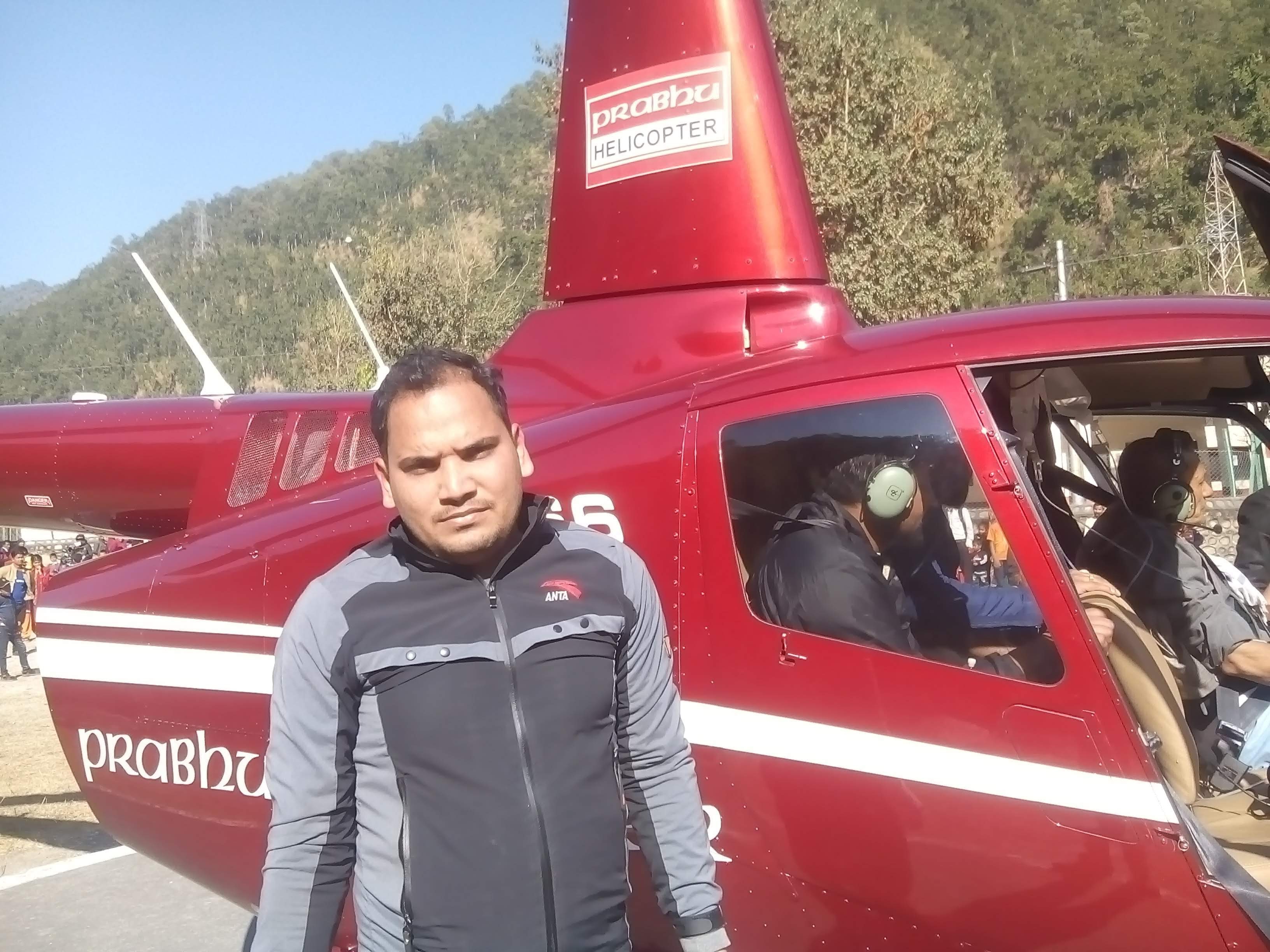
Dr. Pintu Kumar Gami is a medical professional who served at the Dhulikhel Hospital outreach center during the COVID-19 pandemic.
Share on social media
SHARE
Recent Articles
View all
Human Resource Management: A Peak Need of Healthcare Industry
Komal Singh
17 February, 2026 | 3 min read
Why do most people over 40 require glasses for near vision?

Roshna Bhuju
17 February, 2026 | 4 min read
Kathmandu Metropolitan Scholarship 2026 | Study +2 in Top Colleges for Free

Charlie Prince Shah
30 April, 2026 | 5 min readPayment Partners


Download our app


© Copyright2024.e-Shiksha Network. All rights reserved.