
Why do most people over 40 require glasses for near vision?

Roshna Bhuju
17 February, 2026 | 4 min readHuman Resource Management: A Peak Need of Healthcare Industry

Komal Singh
17 February, 2026 | 3 min read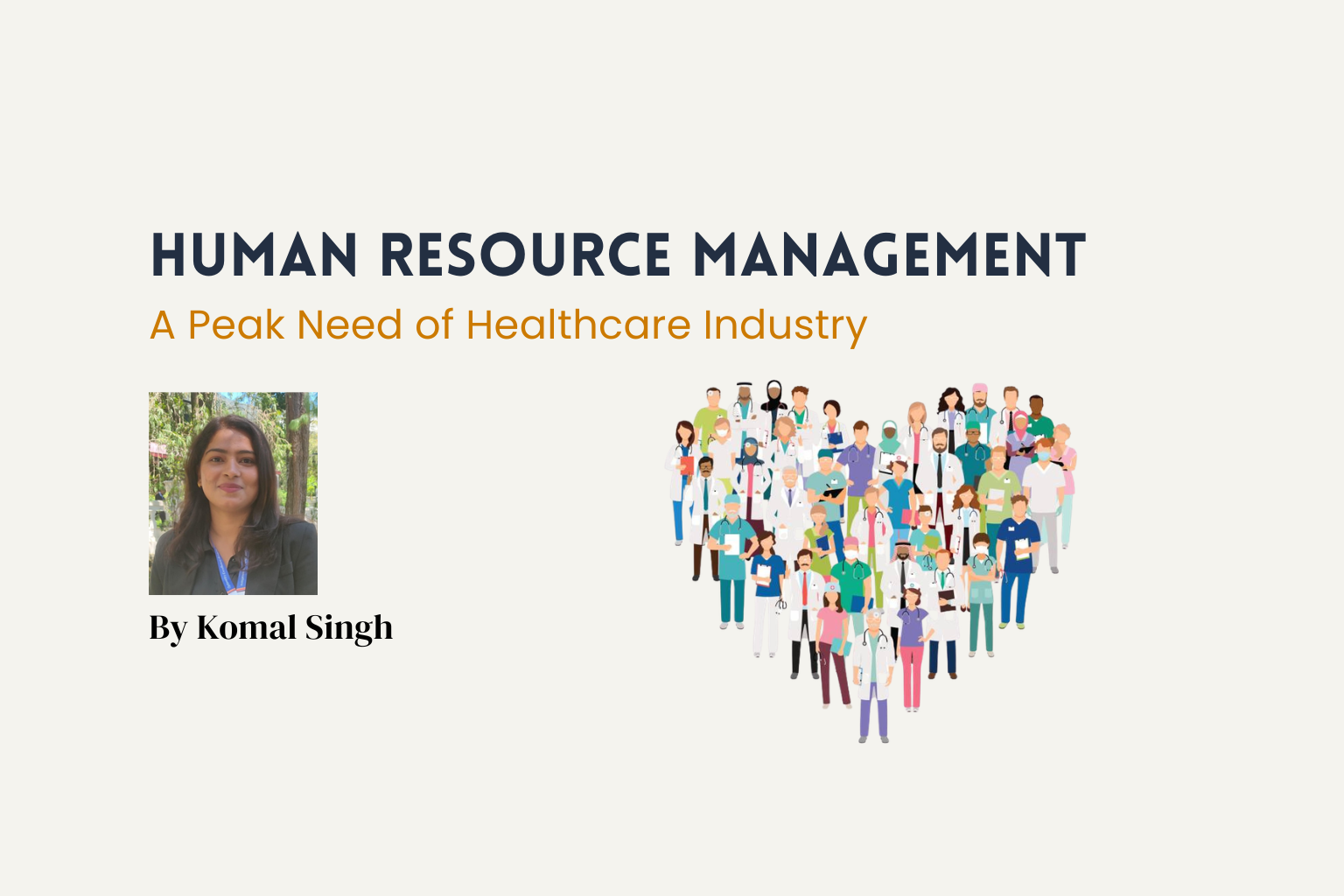
0 Likes
429 views
Introduction
Today, the rapidly progressing healthcare sectors including hospitals and healthcare organizations are facing numerous challenges and complications in delivery of safe, efficient, patient-centered and quality services. In this technologically advanced world, technologies, infrastructures, and medical equipment are essential, but the major backbone of healthcare is its human resource. Every service from emergency care to diagnostics, nursing, pharmacy and administration-relies on workforce. Human Resource Management (HRM) has therefore become a peak need in healthcare, ensuring that the right professionals with the right skills are placed at the right time to provide the best possible care.

1. Healthcare Industry Runs on Skilled Human Power
Healthcare organizations require a diverse team of skilled professionals: doctors, nurses, paramedics, managers, biomedical engineers, lab personnel, pharmacists and support staffs. HRM ensures proper workforce planning, scientific recruitment, deployment and retention in order to maintain uninterrupted and high-quality service delivery.
2. Supporting Employee Motivation and Retention
The healthcare environment can be highly stressful. Long working hours, emotional fatigue, and limited career growth often lead to burnout and turnover. Effective HRM improves retention by offering recognition and reward systems, providing mental health and well-being programs, creating supportive leadership and mentorship opportunities and ensuring fair scheduling and workload distribution. Motivated employees create a positive patient experience.
3. Professional Development and Training
HRM creates and administers programs to keep staff updated on the latest medical practices, technologies, and regulatory requirements. HRM also contributes to quality by promoting effective communication and teamwork. Well managed human resources lead to fewer medical errors, improved patient outcomes, and higher satisfaction.
4. Strengthening Organization Culture and Ethics
Healthcare is a sensitive field where confidentiality, ethics, and thrust matters deeply. HRM shapes a positive institutional culture by establishing clear codes of conduct, ensuring patient-centered service attitude, promoting diversity, equity, inclusion and also by managing conflicts ethically and fairly. A strong culture enhances both patient trust and employee satisfaction.
5. Adapting to Modern Challenges Require Strong HRM
The health care sector is constantly evolving due to digitalization, pandemics, aging populations, and new treatment technologies. HRM helps healthcare organizations stay prepared by planning future workforce needs, integrating e-learning and digital skills training, encouraging leadership development and managing change effectively. Without robust HR management, health systems struggle to adapt to these rapid changes.

1. Shortage of skilled healthcare professionals
2. High employee turnover
3. Employee burnout and stress
4. Managing multidisciplinary workforce
5. Training and continuous development
6. Maintaining patient-centered culture
7. Conflict management and workplace violence
Human resources play an indispensable role in delivering quality healthcare. From recruitment and training to managing performance and fostering teamwork, HRM ensures that healthcare institutions run smoothly and patients receive the best possible treatment. Human resource management is no longer a back office function- it has become a strategic pillar of healthcare industry.
References:
Owolabi, Oluwaseyi Rita, Funmilola Olatundun Olatoye, Oluwafunmi Adijat Elufioye, and Beatrice Okunade. Human Resources Management in Healthcare: Recruitment, Retention, and Workforce Development—A Review. World Journal of Advanced Research and Reviews, 2024, 21(02), 950–957.
Hampel, Katarzyna, and Zuzana Hajduova. Human Resource Management as an Area of Change in a Healthcare Institution.
Wong, Brittany. Top 8 Challenges of Human Resource Management in Healthcare.
About the author:
KOMAL SINGH MHCM student with a strong interest in healthcare management, quality improvement and health sector development.
Share on social media
SHARE
Recent Articles
View all
Why do most people over 40 require glasses for near vision?
Roshna Bhuju
17 February, 2026 | 4 min read
Kathmandu Metropolitan Scholarship 2026 | Study +2 in Top Colleges for Free

Charlie Prince Shah
30 April, 2026 | 5 min read
Beyond ‘Ke Sochla Samaj?’: Nepal’s Slow but Strong Mental Health Revolution

Sankalpa Gautam
17 February, 2026 | 3 min readPayment Partners


Download our app


© Copyright2024.e-Shiksha Network. All rights reserved.