Experience of Outreach During the COVID-19 Pandemic

Dr. Pintu Kumar Gami
17 February, 2026 | 4 min readWhy do most people over 40 require glasses for near vision?

Roshna Bhuju
17 February, 2026 | 4 min read
0 Likes
431 views
After 40, eyes naturally lose the ability to focus sharply on nearby objects, a condition called presbyopia. Presbyopia refers as the gradual decline of eye ability to accommodate for near vision as a part of the natural aging process. The eye's natural crystalline lens, which focuses light on the retina, loses flexibility with age. This stiffening blurs nearby objects like books or phone screens. Presbyopia often begins around age 40, gradually worsens until about 65, then levels off. Historically, presbyopia has been recognized for centuries, with early mentions dating back to ancient Greece. Presbyopia" derives from Greek "presbys" (old man) and "ops" (eye). Though unavoidable, symptoms ease with options like glasses, contacts, or surgery to sharpen close vision.
There are five types of presbyopia:
Glasses
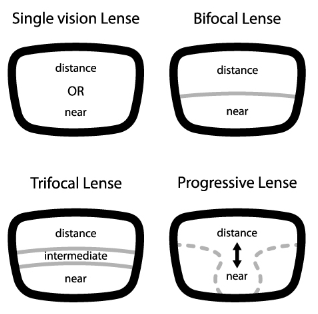
Contact lenses

Surgery
Various surgical options now address presbyopia. Some rely on monovision, tuning one eye for near vision and the other for clear distance sight.
1. Kamra® corneal inlay
2. Laser eye surgery
3. Monovision conductive keratoplasty (CK)
4. Refractive lens exchange (RLE)
Presbyopia is a widespread age-related issue that impairs the eye's focus on close objects, usually starting after 40 as a normal aging effect. It makes it difficult to see near objectives like reading
or near work activities. It can't be reversed, but corrective lenses, contact lens or surgery manage it well.
Reference
1. Presbyopia | AOA
2. Presbyopia - Wikipedia
3. Presbyopia: How Aging Affects Your Vision
4. Singh P, Zeppieri M, Tripathy K. Presbyopia. 2025 Jun 2. In: StatPearls [Internet]. Treasure Island (FL): StatPearls Publishing; 2025 Jan–. PMID: 32809403.
5. Presbyopia: Understanding Symptoms and Treatment Options - The Kingsley Clinic
About the Author
Roshna Bhuju completed her Bachelor of Optometry from Pokhara University in 2025. She is passionate about raising awareness about various ocular health issues and its possible solution.
Share on social media
SHARE
Recent Articles
View all
Experience of Outreach During the COVID-19 Pandemic
Dr. Pintu Kumar Gami
17 February, 2026 | 4 min read
Human Resource Management: A Peak Need of Healthcare Industry

Komal Singh
17 February, 2026 | 3 min read
Kathmandu Metropolitan Scholarship 2026 | Study +2 in Top Colleges for Free

Charlie Prince Shah
30 April, 2026 | 5 min readPayment Partners


Download our app


© Copyright2024.e-Shiksha Network. All rights reserved.